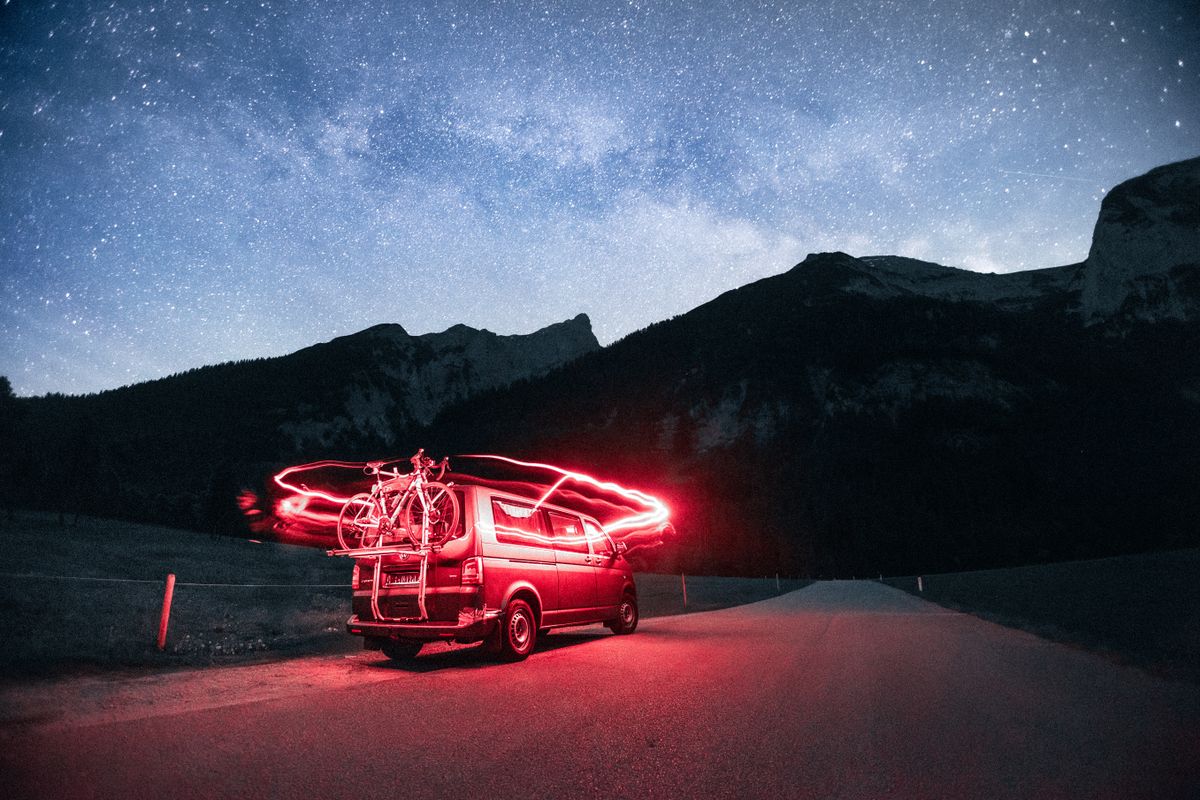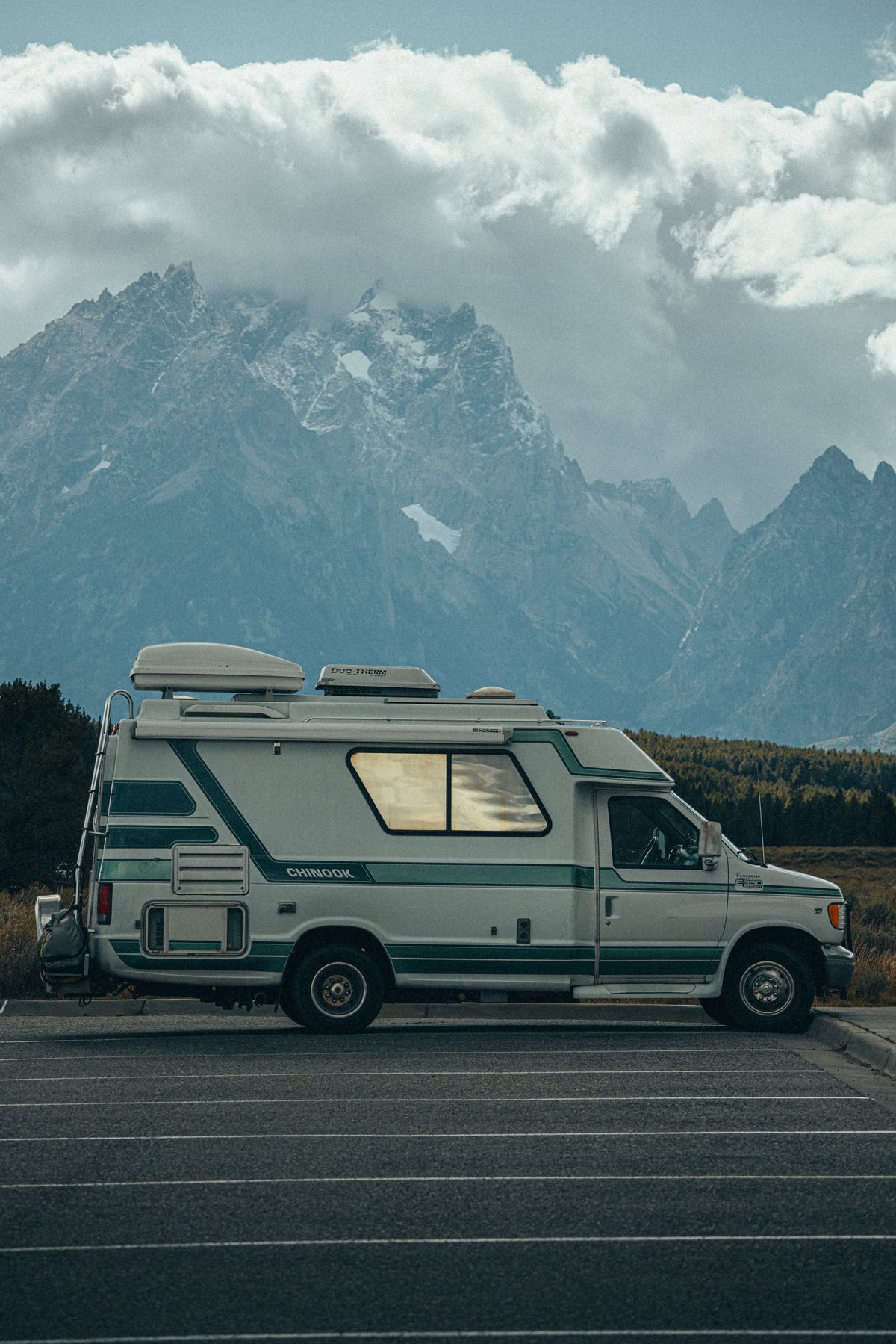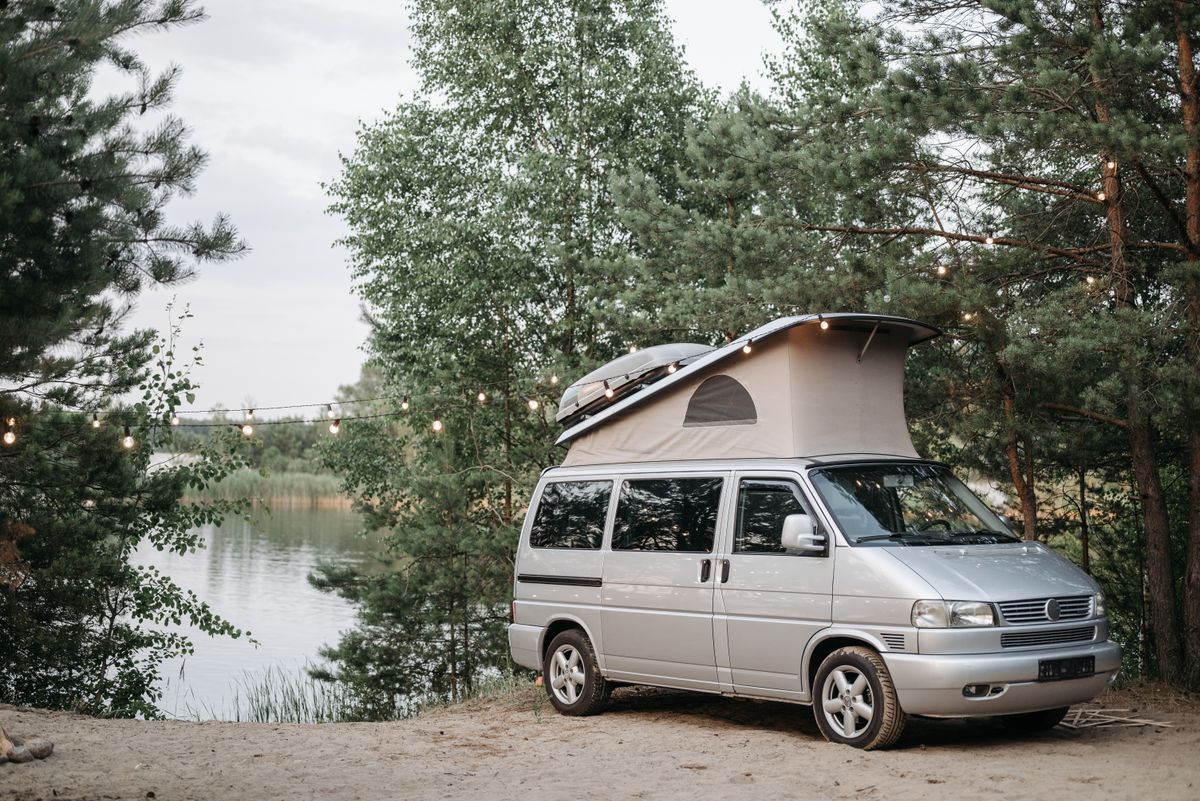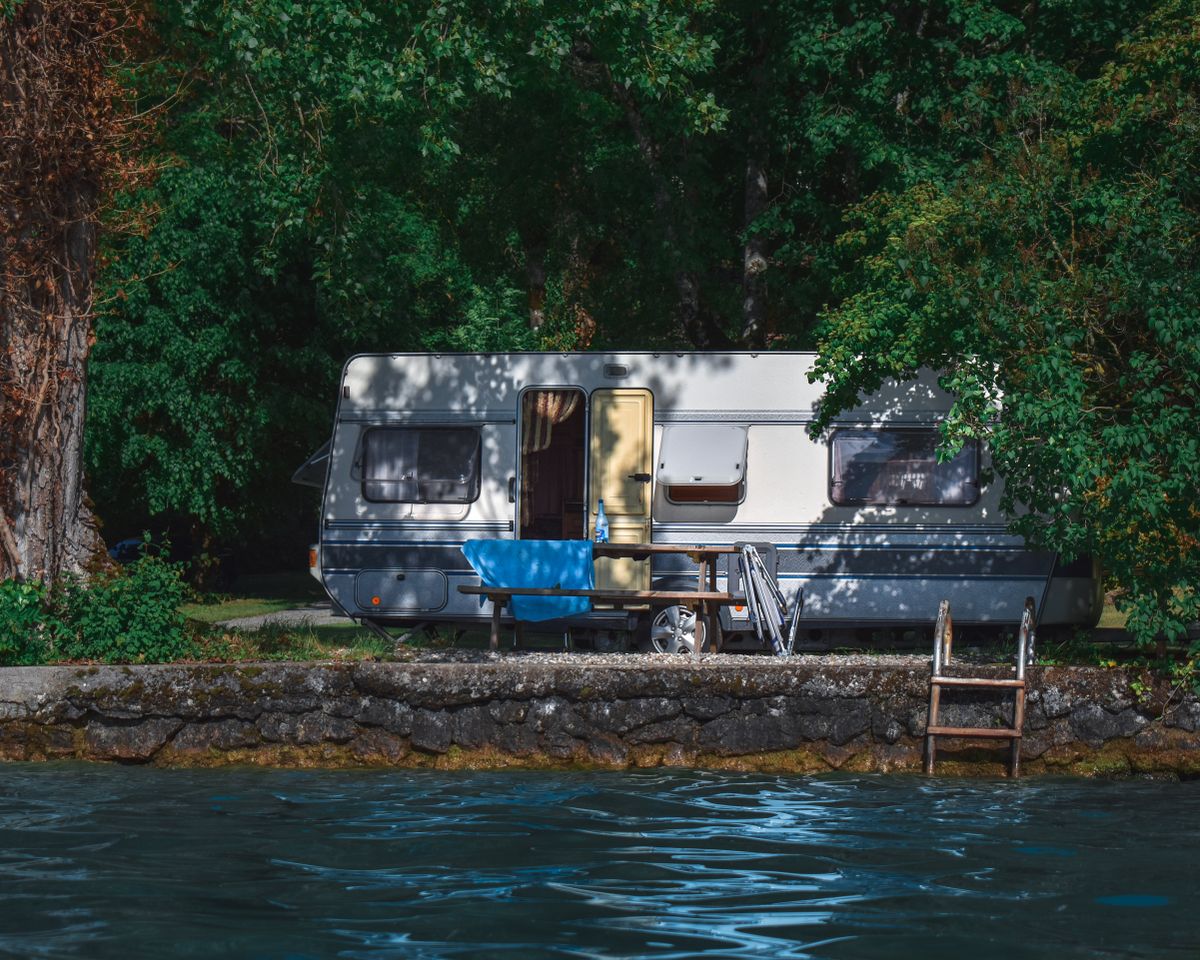
Sleeping wherever it is most beautiful, away from crowded sites, with maximum flexibility: wild camping is the dream behind almost every camper purchase. The reality is a patchwork of 30 different legal situations, and they keep getting stricter. Here is the big overview, plus the strategies that get you a legal night's sleep in every country.
- Scandinavia & Scotland: the right to roam usually makes a single night possible, at a distance from houses.
- Central Europe: mostly a patchwork of tolerance. Germany allows a night to «restore fitness to drive», otherwise regions and municipalities decide.
- Southern Europe & Benelux: strictly prohibited in many places, with tight controls on beaches and in national parks.
- The best «trick» is still legal: private land with permission, from a farm to an official motorhome pitch.
Where Europe allows free standing
In Norway and Sweden, the right to roam covers a single night outdoors, but requires at least 150 metres' distance from inhabited buildings. Finland takes a similar approach but excludes national parks and private land. And Scotland generally allows free standing, but applies local restrictions at tourist hotspots.
The big grey zone: Central Europe
Germany has the famous exception: one night in a car park to «restore fitness to drive», while classic wild camping remains prohibited. France often tolerates overnight stays in car parks and on remote roads, but they are not officially allowed; the municipal «aires» are the better choice. In Austria it is up to each federal state, from allowed to strictly prohibited. In Italy it varies greatly by region (South Tyrol: designated pitches are mandatory). And Switzerland? Parking and sleeping is possible in some public car parks, while wild camping in nature is tightly regulated. You will find the details in our Switzerland feature and in the Scuol case.
Where things get serious
Spain and Portugal prohibit wild camping with a vehicle and carry out consistent checks on beaches and in national parks. Croatia and Slovenia are particularly strict in tourist areas, the Netherlands and Belgium prohibit overnight stays outside official sites, and Denmark restricts them to designated pitches and car parks. In some countries, such as Greece, Romania or Bulgaria, the ban is often not enforced in rural areas; still, you should not rely on that anywhere, because being tolerated is not a legal status, it is luck.
The tricks that really work
The best «loopholes» are not loopholes at all, they are simply legal: Ask. Farms, restaurants and private owners allow you to stay the night surprisingly often if you knock politely, and platforms like Parkn'Sleep have turned exactly this principle into a system. Use rest areas properly: in many places they are fine for simply sleeping, as long as no chairs, tables or awnings come out. Keep a low profile: arrive late, leave early, set nothing up, no fire, no trace. Travel off-season: more free pitches and a more relaxed atmosphere. And with community apps, remember: the entries come from users, so you are better off checking yourself whether a spot is legal than taking it on trust.
And the rebels?
Every camper scene knows them: the full-time travellers with a sixth sense for inconspicuous corners, the car park tricksters with their bonnet half open («just taking a break!»), the city campers behind perfect blackout blinds, the night-shift campers who are gone before sunrise. You can admire their creativity, but you should still know: if you get caught, you risk hefty fines, and in some countries even having your vehicle towed away. In the end, the smartest rebellion against full campsites is the least spectacular one: an agreed pitch with the person who owns the land. Same view, zero heart rate when someone knocks on the window.
💡 Legal is the new insider tip: you will find more than 10,000 agreed pitches in 24 countries at parknsleep.app, ready for spontaneous arrivals, with no discussions at midnight.
Adapted from the Parkn'Sleep company blog (country overview based on Camperguru); simplified, not legal advice. Rules can change at short notice; local regulations always take precedence.