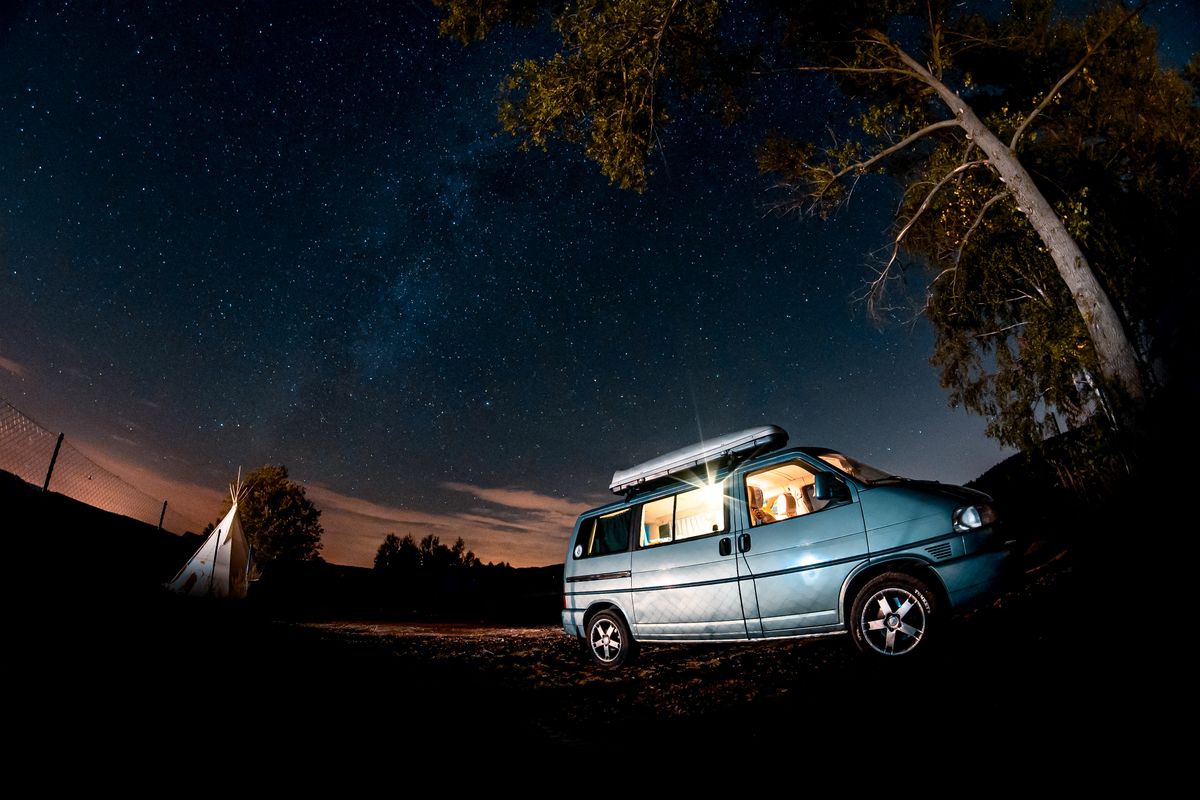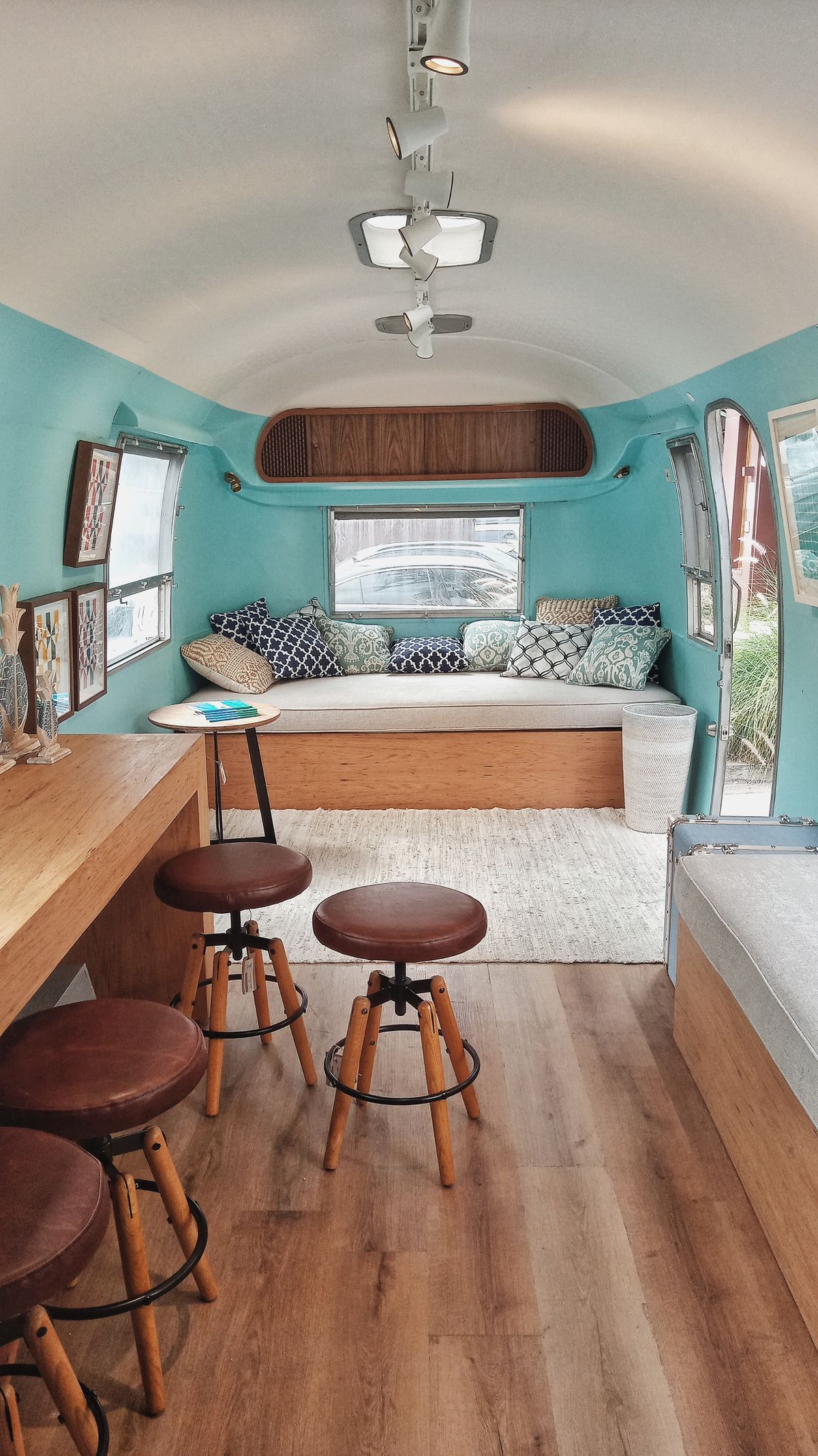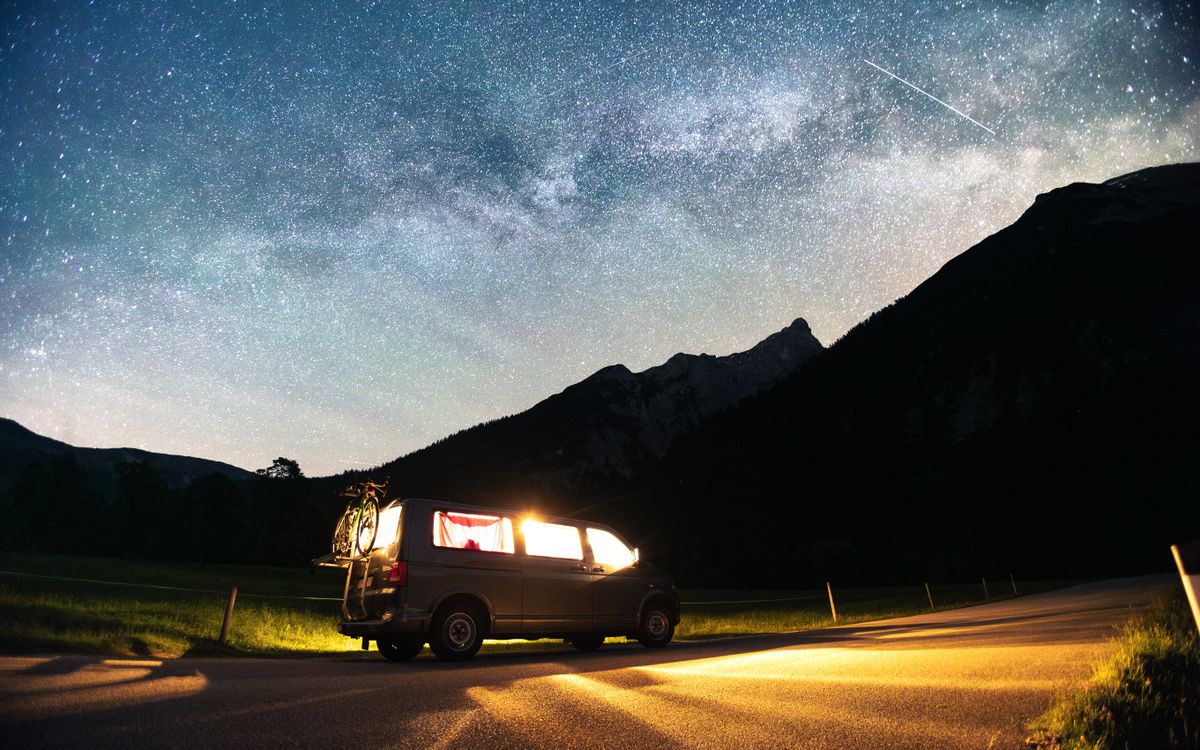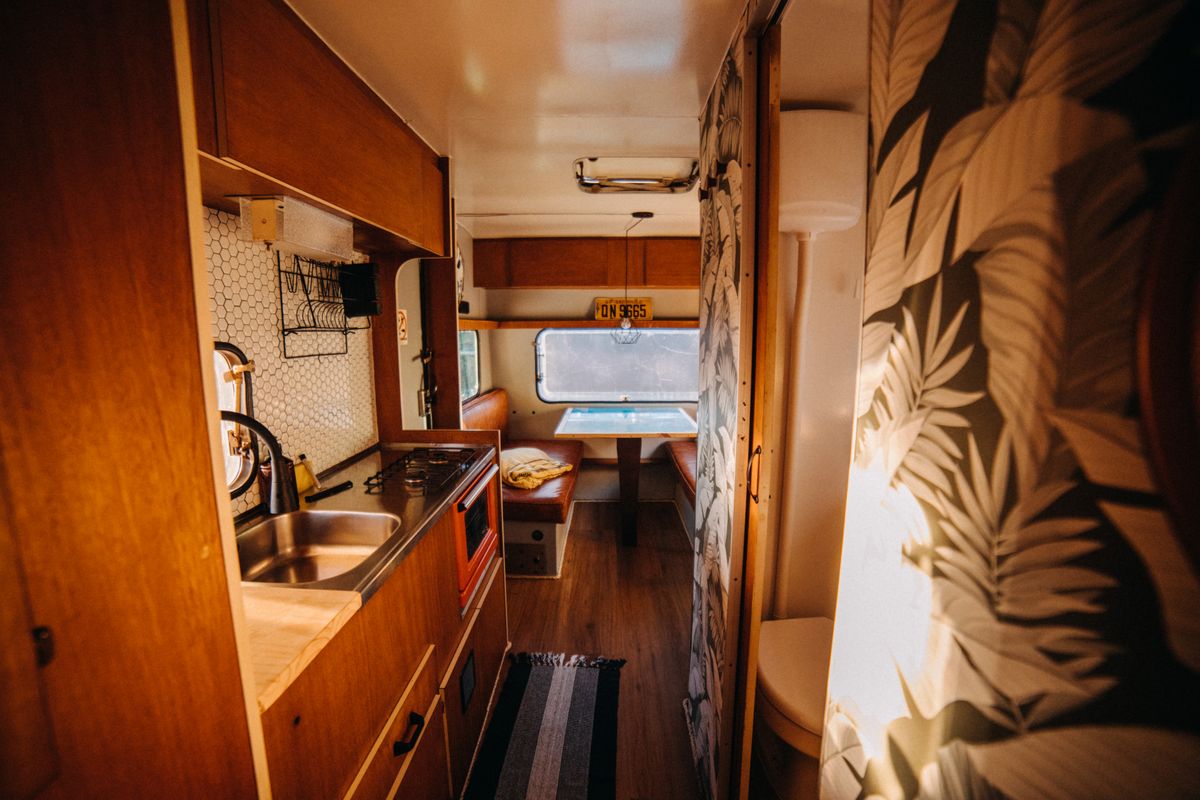
There is a moment when «would be nice» turns into «right now». Mine was an October night on a farm pitch in the Emmental: four degrees in the van, the wool blanket a joke, and at five in the morning I was sitting up in my sleeping bag googling parking heaters. Here is what happened next.
The choice: why diesel air
My van has no gas system, and I did not want to install one either. So a diesel air heater it was, the classic among self-builders, because it draws fuel from the vehicle's tank. Anyone who spends three evenings in forums knows the candidates: Webasto, Eberspächer, Autoterm (formerly Planar) and the Chinese boxes from just over a hundred francs. I went for an Autoterm Air 2D: a reputation for being robust, a fair price range, and if need be you can get spare parts on the road too.
The numbers that convinced me: on a low setting the thing uses about a decilitre of diesel per hour, and around a quarter of a litre at full power, so a whole winter night costs roughly one and a half litres. And its power consumption is between 10 and 29 watts, about the same as a bright light bulb. Provided you have a leisure battery, that is. If you don't, even an economical heater will drain your starter battery overnight. Don't ask how I know.
The installation: a Saturday that became a weekend
The plan: install it on Saturday morning, test run in the evening. The reality: Sunday, 5 pm. If you are fitting a parking heater for the first time, allow a whole day, plus half a day as a buffer, and I needed exactly that. The tricky moments are the ones where you only get one shot: the hole through the vehicle floor for the exhaust and air intake, and the fuel tap, where you actually drill into the diesel tank. Measure three times, sweat once, then drill.
By the way, the first start is not for the faint-hearted: until the combustion chamber has burnt in, it smokes and smells, so let it run outside. That is normal. After that: silence, warmth, disbelief.
What I would do differently today
Three things. First: order the intake silencer straight away, not because of the heater noise, but because of the ticking of the fuel pump, which travels through the floor at night if you don't decouple it properly. Second: take the position of the warm air outlets more seriously, because warm air blowing against a cupboard door mainly warms the cupboard. Third: use the ventilation function from day one, as it keeps the van dry and mould-free in winter even when you are not heating at all.
⚠️ Safety is not up for negotiation: always route the exhaust outside and make it gas-tight, put a CO detector in the living area, and if you don't trust yourself with the installation, go to a specialist workshop. It costs roughly twice the price of the unit, but the sleep afterwards is priceless. In Switzerland it is also worth calling your insurer and the road traffic office to ask whether the modification needs to be registered.
The verdict after one winter
Around 700 francs for the heater and materials, one lost weekend, two grazed knuckles. In return: not a single cold morning since, dry windows, and that absurdly good feeling when it is minus eight outside and your socks are drying inside. That October night in the Emmental would end differently today, and that is exactly where I am heading first again this winter.
Community experience report; technical details checked against installation guides from tigerexped, Sprintour and Camperimperium, among others. No substitute for the manufacturer's installation instructions.