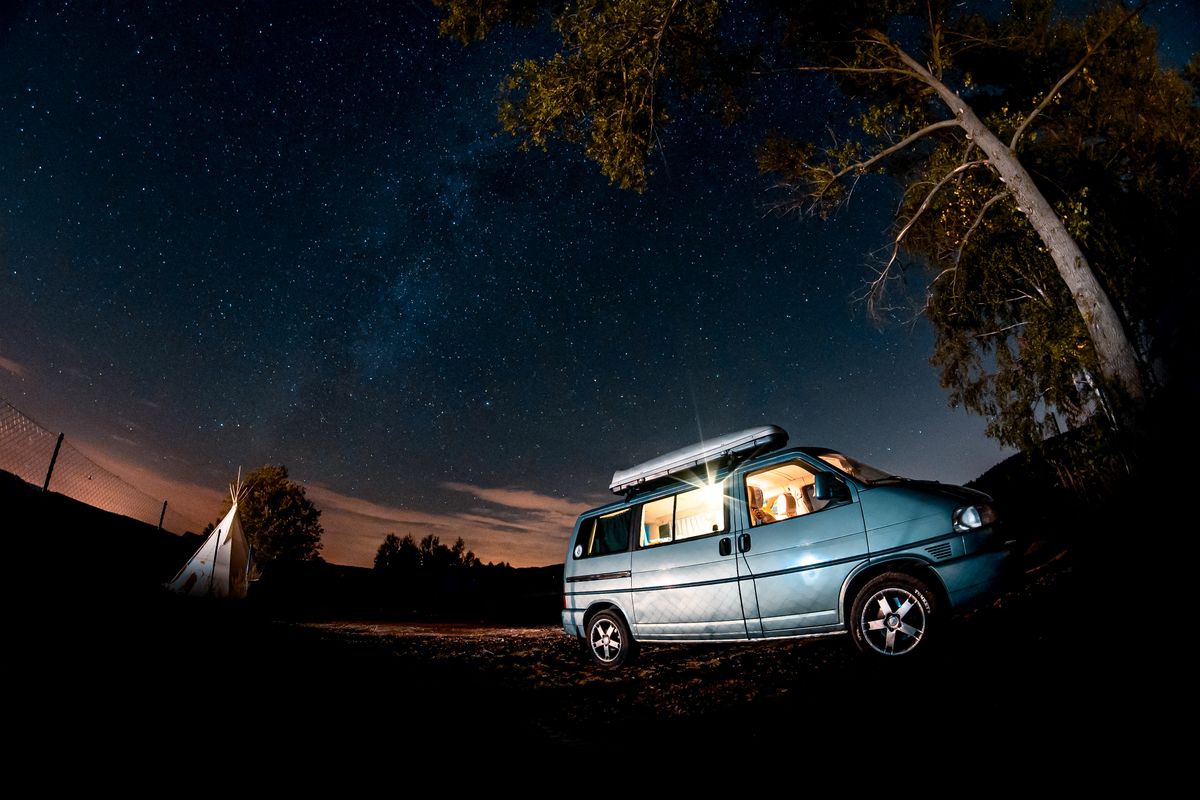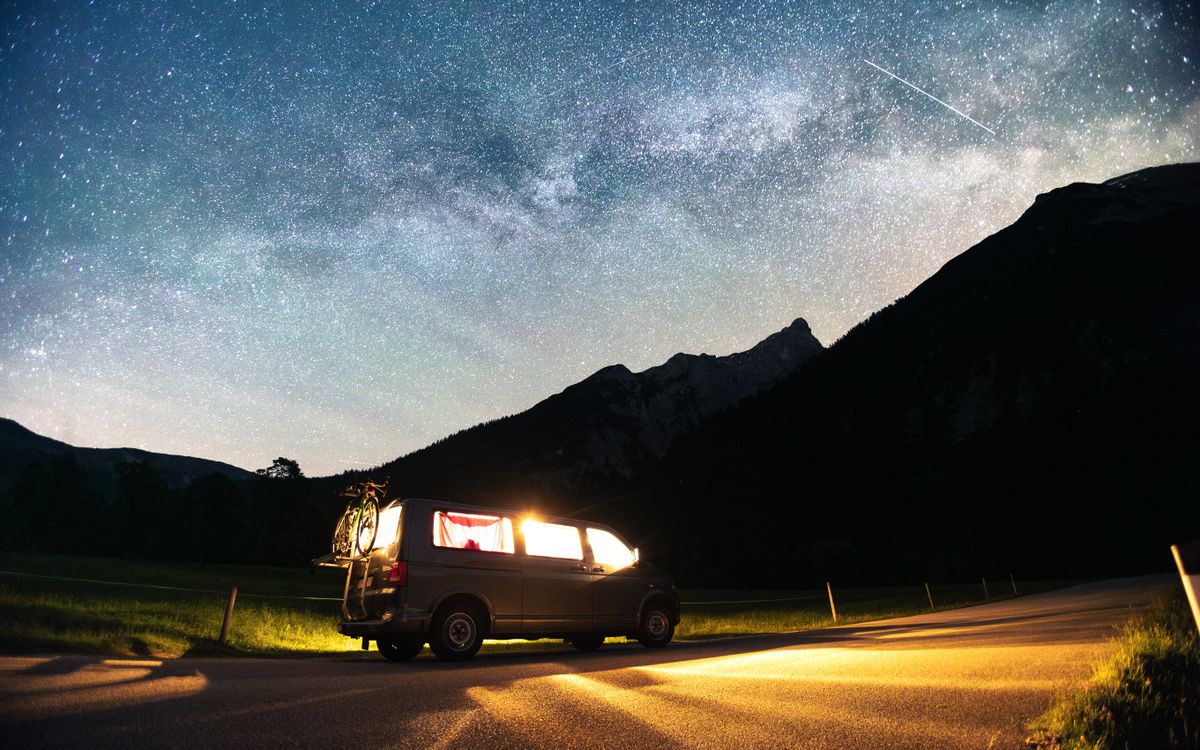
When Sven bought a used panel van two autumns ago, he could, in his own words, «just about assemble a shelf». Today there is a fully fledged camper in his driveway with a kitchen, solar system and dry separating toilet, built after work and learnt on YouTube. We asked him what lies between those two sentences.
Phase 1: the YouTube winter
Before the first screw went in, there were the videos. «For a whole winter I watched conversion channels practically every evening,» Sven says. «At some point you recognise the patterns: every successful build starts with a plan, not with building furniture.» That matches what every serious guide preaches: first you settle the vehicle type, budget, weight, power needs, water solution and later registration, and only then do you move on to insulation, floor and furniture. If you reverse the order, you build twice.
Sven's most important tool from this phase costs nothing: a spreadsheet. Every screw, every wooden panel, every cable went into it, the kind of bookkeeping experienced self-builders strongly recommend. «Without the spreadsheet I would have no idea today what the van cost. With it, unfortunately, I know exactly.»
Phase 2: the expensive lessons
His biggest misjudgement? Sven laughs. «The budget. I thought I would manage with half the amount.» He is in good company: Swiss conversion professionals name underestimating costs as by far the most common beginner's mistake. A decent 100 Ah lithium battery alone costs between 500 and over 2,000 francs in Switzerland, and the electrics are only one of five building sites.
Lesson two: measurements. «I planned the kitchen unit by feel. My feel was five centimetres too optimistic.» His advice: play through the layout with cardboard templates in the actual vehicle before you saw anything. Lesson three came with the electrics: calculate your power needs honestly instead of guessing, because nothing is more frustrating on the road than a battery that hits its limit every evening.
Phase 3: authorities, scales, inspection
What never appears in any build video but decides the fate of the project: the paperwork. The conversion turns the van into a new type of vehicle, and in Switzerland that means re-registering it as a motor caravan with the road traffic office, including an inspection. What counts is what the inspectors look at: furniture that is firmly bolted down (nothing may turn into a projectile in an emergency stop) and the weight. «I drove onto a public weighbridge before the inspection,» says Sven. «Best twenty francs I have ever spent.» If you are unsure about gas or 230-volt electrics, take the middle way chosen by many Swiss self-builders: do the interior yourself and leave the critical technology to a specialist.
💡 The first night in your own build is an occasion, so don't spend it in a grey zone. A quiet farm pitch with the owner's permission is a fitting setting for the premiere: parknsleep.app.
The verdict
A year and a half instead of the planned eight months. Considerably more money than expected. Two components he built three times. And yet: «I would do it again in a heartbeat. There is no hotel bed in the world where you sleep as well as in a bed you built yourself three times.» His final tip for anyone still stuck in the YouTube phase: «Watch a hundred videos, but don't believe anyone who says it is easy. It is better than easy. It is doable.»
Community report; facts checked against conversion guides from Swiss conversion workshops, Abenteuer Vanlife and CampingWagner, among others. Registration requirements are set by the cantonal road traffic office.