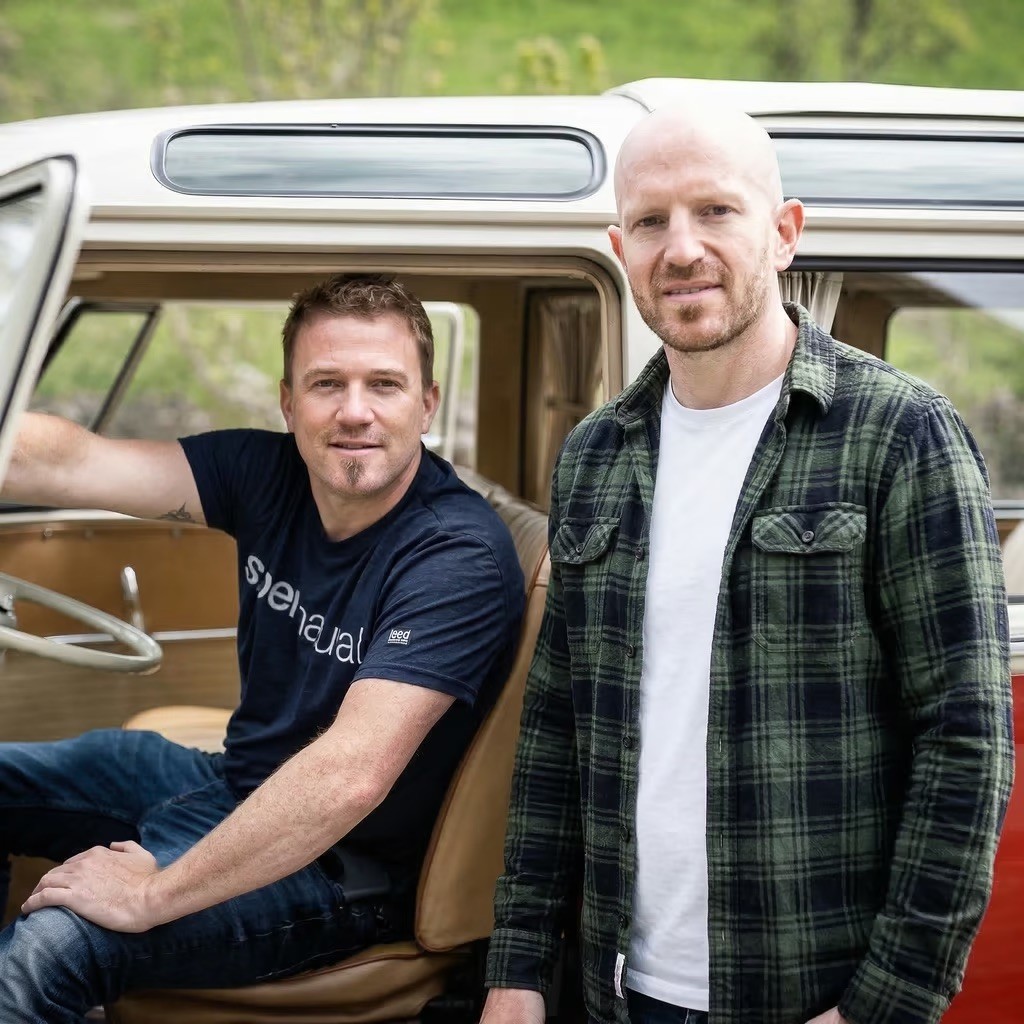
There are two kinds of funding rounds: the ones that keep a start-up alive, and the ones that make a running engine turn faster. Parkn'Sleep reached operational break-even in 2025 and is launching its second round explicitly as «acceleration capital». Talking to the investment platform OOMNIUM, founder Lukas Imhof explains the numbers behind it. Here are the key points.
347,000 francs, and what became of them
The first OOMNIUM round raised 347,000 francs, all of which went into platform development, growing the host network and validation in the real market. The yardstick was uncompromising: «Growth without working unit economics is pointless,» says Imhof. Every single booking had to be economically viable before scaling up. The most important lesson from the team's previous start-ups and exits: «Simplicity wins.» Many start-ups get lost in features; Parkn'Sleep focuses on automation, standardised processes and adds new revenue streams only once the existing ones are validated.
The figures that make people sit up
Two key figures stand out: support costs are just 0.8 percent of bookings, and customer acquisition costs 1.65 francs per user. Neither is a coincidence, both are by design: the entire user journey is built for self-service, and check-in and the buying decision happen right on site at the pitch, which squeezes support down to a few minutes. And because the signage, and soon the Pitch Control posts, double as a marketing and onboarding channel, new users are won at the point of sale. That is exactly what makes low overnight prices economically viable in the first place.
40 percent for the hardware
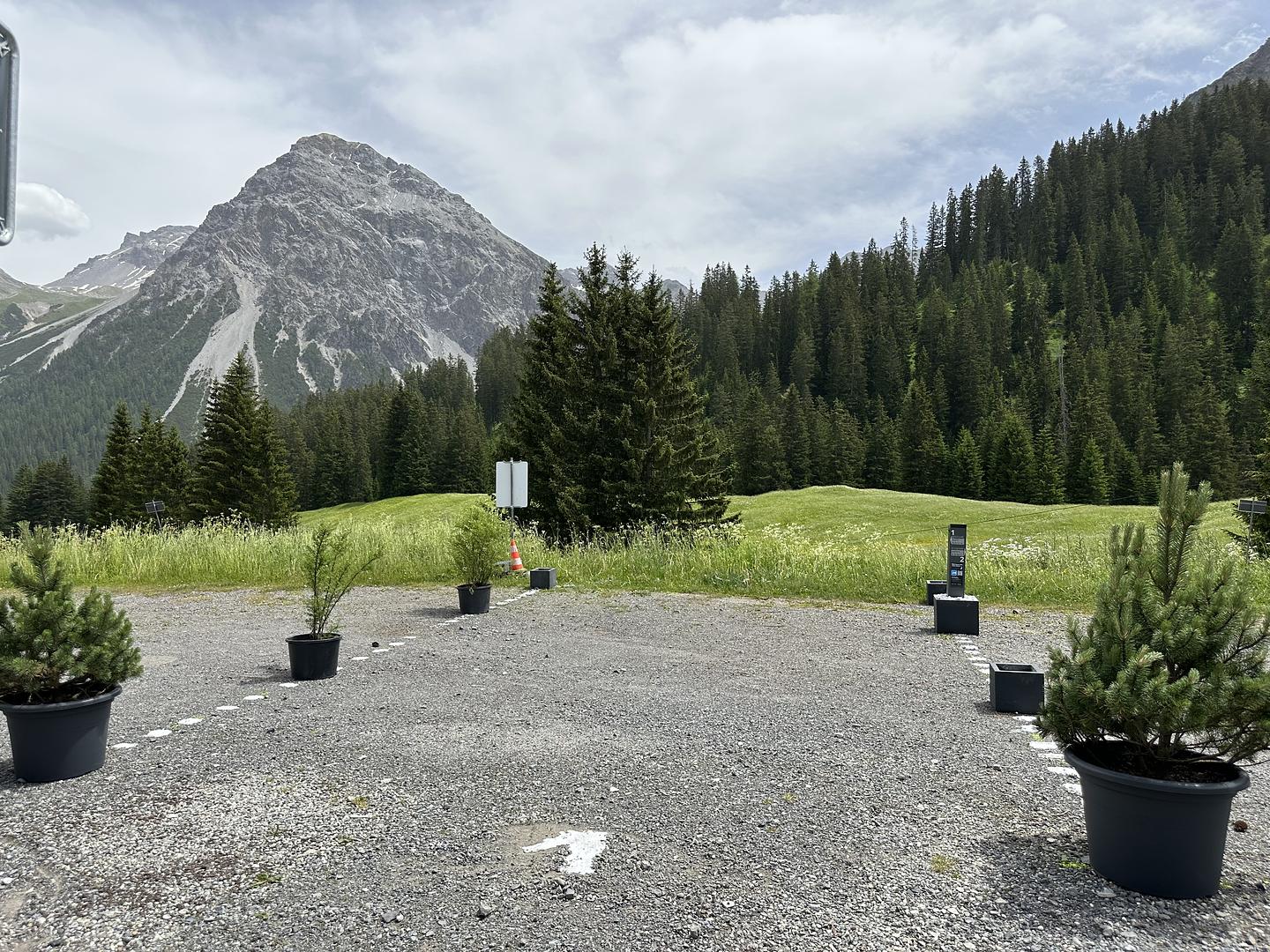
The capital allocation of the new round is remarkable: 40 percent goes into Pitch Control, the self-sufficient reservation post that will be rolled out widely in autumn 2026. Hardware is considered expensive and complex, so why do it yourself? Imhof's answer: the market is physical, and software alone does not solve the problem if you really want to cut the operating effort. The risk remains under control: the hardware is manufactured by a partner and licensed exclusively to Parkn'Sleep. It already exists and needs no costly in-house development.
Founders without a salary, on purpose
One public commitment from the team draws attention: the founders only draw salaries once these are fully funded by the operating business, not by investors' money. «That is not a sacrifice, that is our structure,» says Imhof: all the founders have mandates, side projects and in some cases successful exits behind them. This way the capital goes entirely into growth instead of fixed costs, made possible by a highly automated platform that runs with minimal staff.
The market: 20 billion, no dominant player
The European camping market is worth 16 to 20 billion euros, and it is still largely analogue and fragmented. «There is no dominant player and no existing infrastructure that meets today's travel needs,» says Imhof. That is precisely where the opportunity to set a new standard lies: with more than 10,000 pitches and over 70,000 users in Europe, Parkn'Sleep sees itself in a position to take on that role. The next phase is all about professionalisation, of hosts, campers and destinations alike.
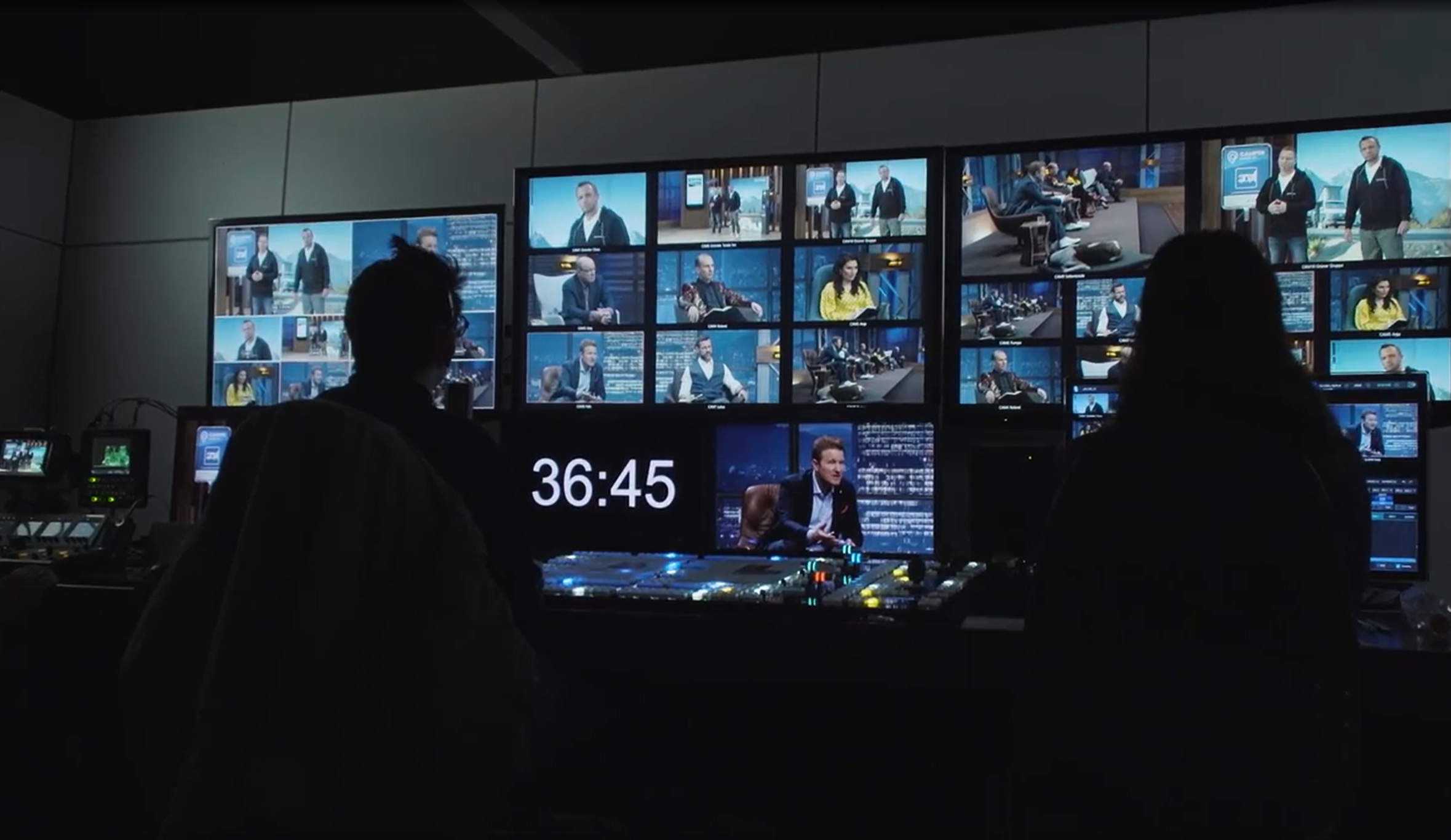
📈 The full story: Read how the community funding came about in our look back «In the Lions' Den». All information on becoming a shareholder at parknsleep.com/investieren.
Summarised from the interview in the OOMNIUM Founders Blog (April 2026). Key figures as stated by the company in the original. This article is not investment advice; investing involves risks.